
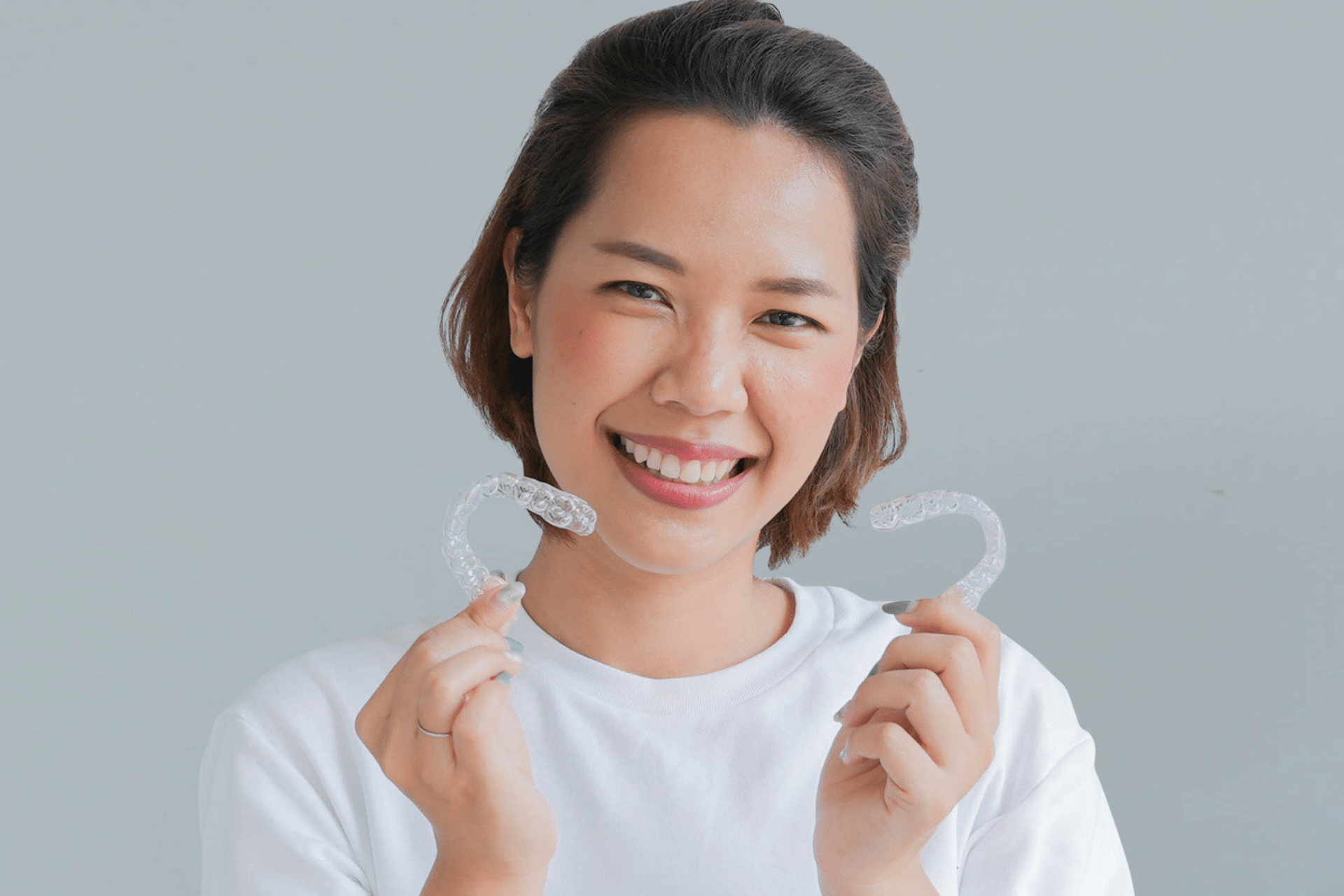
At Enoch & Lamei Orthodontics in Marietta, GA, Dr. Harold Enoch and Dr. Amir Lamei guide patients through both active treatment and retention. As board-certified orthodontists, they plan each case with long-term alignment and bite health in mind.
Are Clear Aligner Results Permanent?
Clear aligner results can last for many years, but orthodontic treatment does not lock teeth in place forever.
Clear aligners move teeth through a planned series of trays. Each tray places light, steady pressure on selected teeth. This guides them toward better alignment.
During treatment planning, your orthodontist checks spacing, crowding, and how your upper and lower teeth fit together. Some teeth may need slower or more detailed movement than others.
By the final tray, your smile may look straight, but the bone and ligaments around the teeth are still adjusting. These tissues stay active throughout life. Because of this, tooth position can change due to pressure, habits, or changes in the bite.
Retention is a key part of keeping your results once active aligner care is complete.
Why Can Teeth Shift After Clear Aligner Treatment?
Teeth may shift because the mouth keeps changing after orthodontic treatment. This movement is called orthodontic relapse, and it can happen after both clear aligners and braces.
When a tooth moves, the bone around it reshapes and the ligament around the root adjusts. These tissues need time to settle, especially during the first few months of retention.
Other factors may also raise the risk of relapse:
Clenching or grinding.
Missing teeth or new dental work.
Changes in how the upper and lower teeth meet.
Poor gum or bone health.
Chewing ice, pens, or other hard objects.
Not wearing retainers as directed.
Skipping retainers is one of the most common reasons teeth begin to move. The longer they are left out, the more likely it is that gaps, crowding, or rotated teeth may return.
Age alone does not decide how long your results will last. Retainer use, oral health, bite pressure, and the original orthodontic problem often matter more.
How Do Retainers Protect Clear Aligner Results?
Retainers hold your teeth in their new positions while the tissues around them settle. They are a required part of orthodontic care, not an optional step after the last tray.
The American Association of Orthodontists explains that orthodontic retainers help limit the natural tendency of teeth to move after braces or clear aligner treatment.
Many patients start with full-time or near full-time wear before moving to nighttime use. The exact schedule depends on your bite, the tooth movements made, and your risk of relapse.
Nighttime wear is often advised for the long term because tooth position can change throughout life. A retainer that feels comfortable does not mean you no longer need it.
Common retainer options include:
Clear retainers, which are removable and similar in appearance to aligner trays
Hawley retainers, which use an acrylic base and metal wire
Fixed retainers, which use a thin wire bonded behind selected teeth
Some patients may use both a fixed retainer and a removable nighttime retainer. Your orthodontist will suggest the option that fits your bite and treatment history.
What Can Affect Your Clear Aligner Results Over Time?
Small changes are often easier to manage when they are found early. Pay attention to how your teeth, bite, and retainers feel during retention.
Possible warning signs include:
Crowding in the lower front teeth.
Spaces starting to reopen.
A tooth looking slightly rotated.
A change in how your bite fits.
A retainer feeling tighter than usual.
A retainer no longer fitting fully.
Do not force a retainer that causes strong pain or will not fit. Your orthodontist can check whether your teeth have moved or whether the retainer needs to be changed.
Daily care also matters. Brush and floss well, and keep up with regular dental cleanings. Healthy gums and bone help support stable teeth.
Replace a lost, cracked, warped, or loose retainer as soon as possible. Even a short break from wear may allow movement, especially early in retention.
Tell your orthodontist if you clench or grind your teeth. Repeated pressure may cause enamel wear, bite changes, and relapse.
Ready to Find Out If Clear Aligners Are Right for You?
If you are considering clear aligner treatment, Dr. Enoch and Dr. Lamei can check your teeth, review your bite, and explain what may be needed to create and keep a lasting smile.
Schedule a consultation with Enoch & Lamei Orthodontics to explore clear aligner treatment in Marietta, GA.