
Reviewed by Amir Lamei, DMD, Diplomate, American Board of Orthodontics
Choosing the right type of braces is one of the first decisions you will make on your orthodontic journey. At Enoch & Lamei Orthodontics, our board-certified orthodontists offer several brace options at their Marietta and Roswell offices, so you can find the treatment that fits your needs, lifestyle, and goals. Whether you are looking for the reliability of metal braces, the subtlety of ceramic brackets, or the invisibility of lingual braces, we have a solution for you.
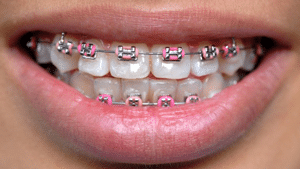
Metal Braces
Metal braces are the most common and time-tested type of orthodontic treatment. They use small stainless steel brackets bonded to the front of your teeth, connected by a thin metal wire that applies gentle pressure to guide your teeth into the correct position.
Why patients choose metal braces:
- Effective for all case types — from mild crowding to complex bite problems, metal braces can handle it all
- Smaller and more comfortable — today’s brackets are much smaller and smoother than the braces of years past
- Durable — metal brackets are strong and rarely break, making them a great choice for active kids and teens
- Colorful options — choose from colored elastic bands to express your personality at every visit
- Cost-effective — metal braces are typically the most affordable orthodontic option
Metal braces are an excellent choice for children, teens, and adults. They work around the clock and require no effort to remember to wear your braces are always doing their job.
Ceramic Braces (Clear Braces)
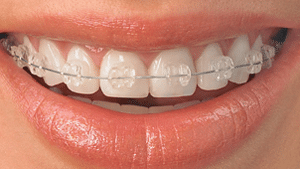
Ceramic braces work the same way as metal braces, but the brackets are made from a tooth-colored or clear material that blends with your natural teeth. This makes them much less visible, especially from a distance or in photos.
Why patients choose ceramic braces:
- Less noticeable — the clear or tooth-colored brackets are far more discreet than metal
- Just as effective, ceramic braces deliver the same results as metal braces for most cases
- Ideal for image-conscious patients — popular with teens and adults who want a lower-profile treatment
- Strong and reliable — modern ceramic brackets are designed to resist staining and hold up throughout treatment
Ceramic braces require a little more attention to oral hygiene since the brackets are slightly larger than metal ones, and the clear elastic ties can pick up stains from certain foods and drinks. Your orthodontist will give you simple care tips to keep them looking their best.
Lingual Braces (Behind the Teeth)
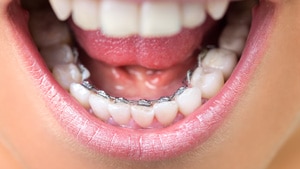
Lingual braces are placed on the back side of your teeth, making them completely invisible from the outside. No one will know you are wearing braces unless you tell them.
Why patients choose lingual braces:
- Truly invisible — brackets and wires sit behind your teeth where no one can see them
- 100 percent customized — each bracket is designed to fit the unique shape of your individual teeth
- Full orthodontic correction — lingual braces can treat the same range of problems as traditional braces
- Great for adults — professionals and adults who need effective treatment without any visible hardware
Lingual braces are an excellent option when clear aligners are not suitable for your case, but you still want invisible treatment. Dr. Enoch and Dr. Lamei create a custom prescription built into each lingual bracket to ensure precise, efficient tooth movement.
Clear Aligners — The Braceless Alternative
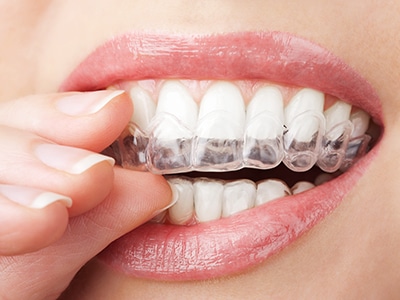
If you prefer to skip brackets and wires entirely, clear aligner therapy may be right for you. Clear aligners use a series of smooth, removable plastic trays to straighten your teeth. At Enoch & Lamei Orthodontics, we use 3M Clarity and Angel Aligners to treat teens and adults with mild to moderate orthodontic needs.
Clear aligners are nearly invisible, removable for eating and brushing, and require fewer office visits than braces. Visit our clear aligners page to learn more about how they work, who is a good candidate, and what to expect during treatment.
How to Choose the Right Type of Braces
The best type of braces for you depends on several factors:
- Your orthodontic needs — the complexity of your case determines which options will deliver the best results
- Your age and lifestyle — active kids may do best with durable metal braces, while working adults may prefer ceramic or lingual options
- Your appearance preferences — if discretion matters to you, ceramic, lingual, or clear aligners offer less visible choices
- Your budget — metal braces are the most affordable option; clear and lingual braces cost more due to their materials and customization
During your free consultation, Dr. Enoch or Dr. Lamei will examine your teeth, discuss your goals, and recommend the type of braces that gives you the best combination of results, comfort, and value.
What to Expect When You Get Braces
Getting braces is a straightforward process:
- Consultation — Dr. Enoch or Dr. Lamei evaluates your teeth and recommends a treatment plan
- Bonding day — brackets are placed on your teeth and connected with a wire (typically takes about an hour)
- Adjustment visits — you return every four to six weeks so your orthodontist can tighten the wire and check progress
- Treatment completion — braces are removed, and you receive retainers to maintain your results
Most braces treatments take 18 to 24 months, though some cases finish sooner, and complex cases may take longer. You may feel mild soreness for a few days after braces are placed or adjusted. This is normal and fades quickly.
Schedule Your Braces Consultation
Ready to explore your options? Board-certified orthodontists Dr. Enoch and Dr. Lamei offer free consultations at both of our offices. We treat children, teens, and adults with every type of braces in a welcoming, family-friendly environment.