
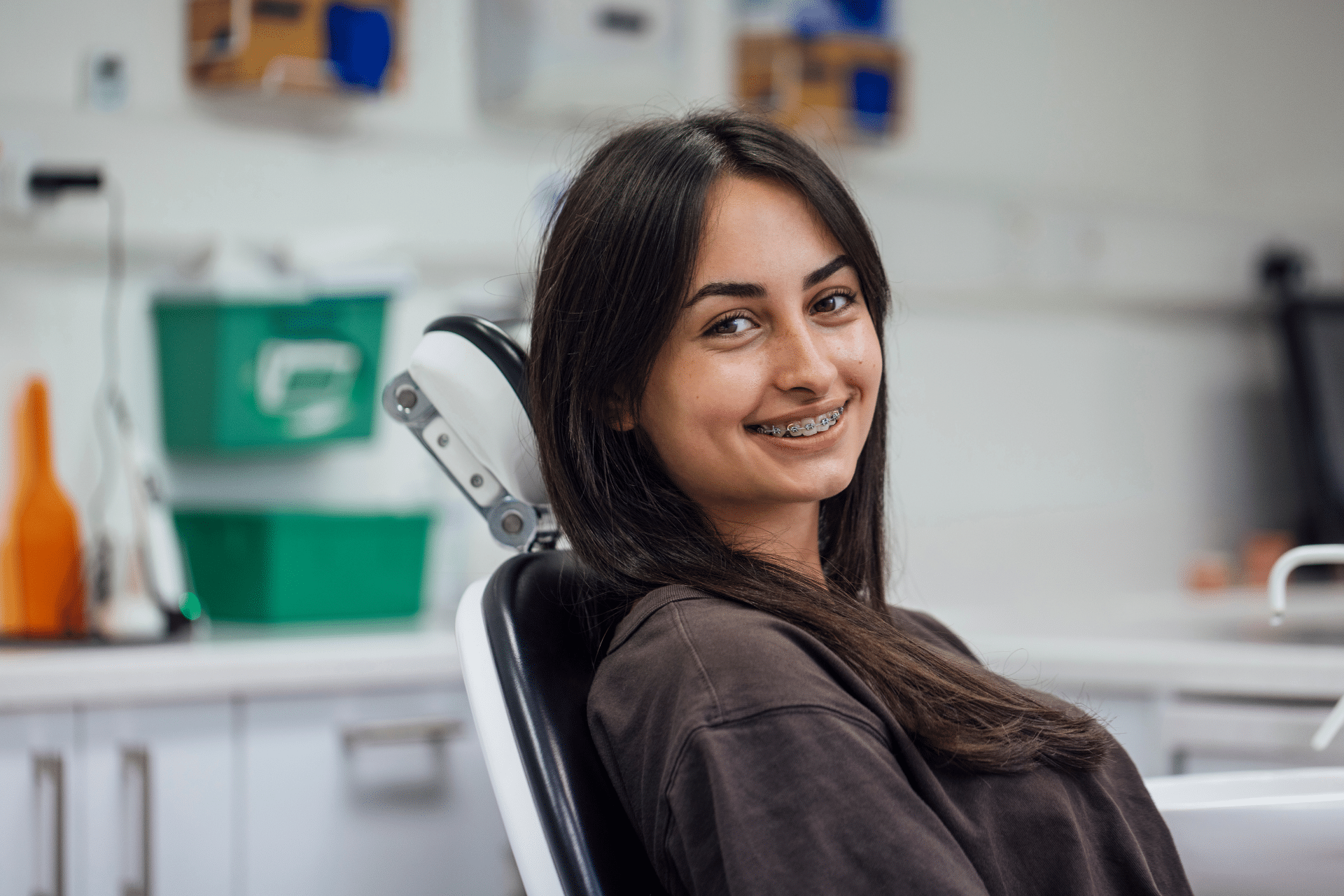
At Enoch & Lamei Orthodontics, Dr. Enoch and Dr. Lamei provide personal care for students in Marietta, GA and surrounding communities. Each doctor is a board-certified orthodontist who can recommend braces or clear aligners based on your bite, treatment needs, and daily habits.
Is College a Practical Time to Start Braces?
Yes, college can be a practical time to start braces. Many students have more control over their schedules, meals, travel, and personal care than they did in high school.
This freedom can make it easier to brush and floss well, avoid foods that may harm braces, and attend planned visits. Some students also want to improve their smiles before internships, job interviews, graduation photos, or the start of a career.
Still, readiness matters more than age. Think about whether you can care for your teeth, attend visits, and follow instructions during busy weeks. Being honest about your habits can help your orthodontist recommend a suitable option.
How Can Braces Fit Around Classes and School Breaks?
Planning ahead can keep orthodontic visits from getting in the way of school. Check your academic calendar before each term and mark exam weeks, holidays, internships, and travel dates.
Try to plan routine visits on lighter class days instead of during finals or major deadlines. School breaks may be a good time to start treatment, complete a longer visit, or adjust to a new appliance before classes begin again.
Students who live away from home should ask how often they may need to return. They should also learn what to do if a bracket breaks or another problem occurs between visits. Save the office number in your phone so you can ask for help while traveling or away at school.
Braces and clear aligners can both work for college students. Aligners are removable, but you must wear and store them as directed. Braces stay on your teeth, so you do not have to track daily tray wear. Your bite and habits will help guide the choice.
What Daily Habits Help Keep Treatment on Track?
A small care kit can make it easier to clean your teeth between classes. Keep one in your backpack, dorm room, apartment, or car.
Your kit may include a travel toothbrush, fluoride toothpaste, flossing tools, orthodontic wax, and a small mirror. Students with clear aligners should also carry a clean case. This helps prevent trays from being wrapped in a napkin, thrown away, or placed on a dirty surface.
Brush with care around brackets and along the gumline. Floss as directed, even during busy weeks. The American Association of Orthodontists explains that maintaining oral hygiene during orthodontic treatment helps protect your teeth and gums between office visits.
Your routine does not need to be complex. Clean your teeth after meals when possible and brush well before bed. These habits can reduce plaque around brackets and along the edges of aligners.
How Can You Handle Campus Meals With Braces or Aligners?
Most dining hall and takeout meals can work with braces or aligners. You mainly need to avoid foods that could harm your appliance or make your teeth hard to clean.
With braces, limit foods that are very hard, sticky, or chewy. Cut firm foods into small pieces instead of biting into them with your front teeth. Pasta, eggs, yogurt, rice, soft fruit, cooked vegetables, and cut sandwiches are often easy to manage.
Remove clear aligners before eating unless your orthodontist tells you otherwise. Place them in their case, clean your teeth after the meal, and put the trays back in as soon as you can.
Water can help rinse away loose food when you cannot brush right away. However, water does not replace brushing and flossing.
What Should You Do if a Braces Problem Happens at School?
Most minor braces problems cause discomfort but are not dangerous. You may be able to cover a rough wire with orthodontic wax. Mild soreness after a visit often improves with soft foods and time.
Call the orthodontic office if a bracket breaks, an appliance becomes loose, an aligner is lost, or a wire keeps causing pain. The team can tell you whether you need a repair visit or whether the problem can wait until your next appointment.
Do not try to make a major repair by yourself. Pulling on a wire or trying to remove a loose appliance could make the problem worse.
Seek dental or medical care for severe pain, facial swelling, heavy bleeding, or a serious injury to the mouth.
How Can You Feel More Confident With Braces in College?
You can feel more confident by planning for meals, presentations, photos, and social events. Carrying wax and cleaning supplies can help you manage soreness or trapped food without taking much time away from your day.
It is common to feel self-conscious at first. Most students adjust as braces or aligners become part of daily life. Speaking, eating, and cleaning your appliance often become easier with practice.
Focus on why you started treatment instead of the short-term change in your appearance. Each visit and good care habit brings you closer to your final result.
Ready to Start Braces During College?
Think about how often you return home, whether you travel during school breaks, and which care steps you feel ready to manage. These details can help shape a plan that works with your college routine.
Dr. Enoch or Dr. Lamei can examine your teeth and bite, explain which options may be right for you, and help plan visits throughout your treatment. Contact Enoch & Lamei Orthodontics in Marietta, GA to schedule a consultation and explore care that works with your college life.